
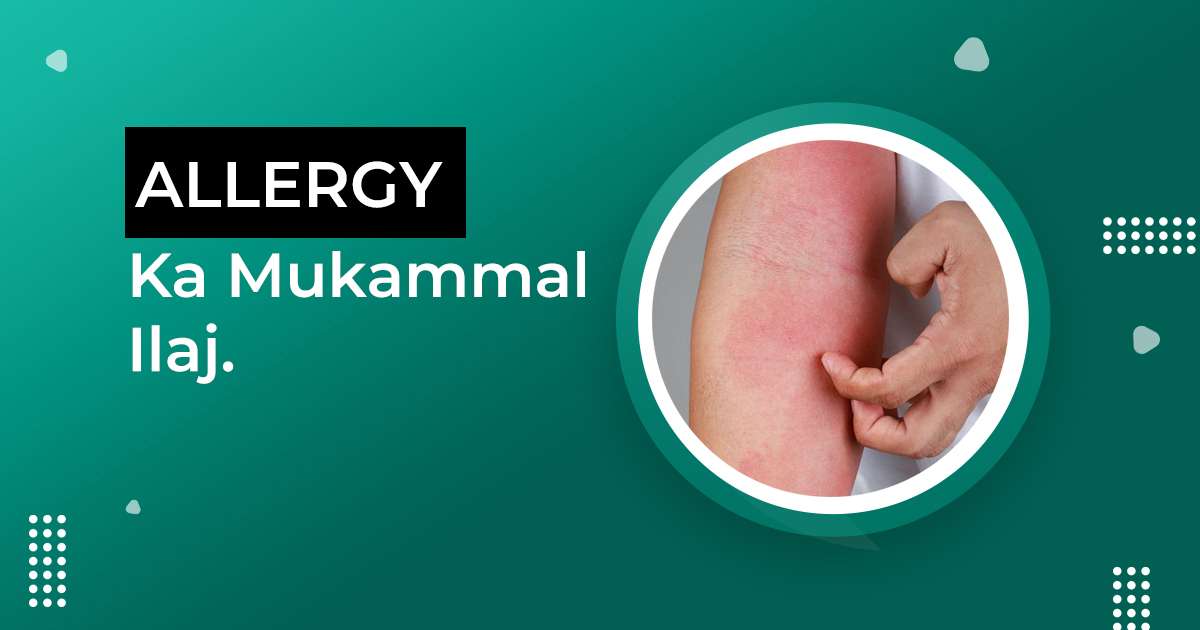
I am a proctologist. Every day at Karachi Piles Clinic I treat bawaseer, fissure, fistula — conditions of the lower gut and anorectal region. So when I started writing about allergy, my first thought was the same as yours probably: why is a proctologist talking about sneezing and runny nose?
Because of something I noticed in my clinic. Patients come to me with hemorrhoids. I take their history. And I find out they have been taking antihistamines — the most common allergy medicine — for months or years. Combined with poor diet and low water intake, those medicines caused chronic constipation. And that constipation, over time, caused their bawaseer.
That connection — between allergy treatment and anorectal disease — almost nobody talks about. This article covers both: a proper guide to allergy ka mukammal ilaj, and the part your allergy doctor probably never mentioned.
“Antihistamines — jo allergy ki sabse aam dawai hai — constipation ka sabab ban sakti hain. Chronic constipation se straining hoti hai, straining se bawaseer hoti hai. Agar aap saalon se allergy ki dawai kha rahe hain aur saath mein toilet mein bhi takleef hai — dono ka connection samajhna zaroori hai.”
What is allergy and why is it so common in Pakistan?
Allergy is an overreaction of the immune system. The body identifies a harmless substance — pollen, dust, a certain food, animal hair — as a threat and reacts to it. That reaction is what we call an allergic response.
In Pakistan, and especially in Karachi, dust allergy and food allergy are extremely common. Vehicle emissions, construction dust, seasonal changes, and the heavily processed food we eat — all of these create a high-allergy environment. In my opinion, many patients in Karachi are living with undiagnosed or poorly managed allergies for years.
Kya aapko bhi aksar naak behna, aankhon mein khujli, ya bina wajah chheenkein aane ka masla rehta hai? Yeh allergy ho sakti hai.
What are the common symptoms of allergy — and which ones get ignored?
Allergy symptoms vary depending on the trigger. The most common ones I hear from patients:
- Sneezing — especially in the morning or in dusty environments
- Runny or blocked nose
- Itchy, watery, or red eyes
- Skin rashes or hives
- Swelling — around the face, lips, or throat in severe cases
- Breathing difficulty — in serious allergic reactions
- Stomach upset and irregular bowel movements — especially in food allergy
That last one. Stomach and bowel problems from food allergy. This is something very few people connect to allergy at all. And it matters a lot for anorectal health — which I will explain in detail below.
What is the complete treatment for allergy — allergy ka mukammal ilaj kya hai?
There is no single magic cure for allergy. But it can absolutely be controlled and managed well. Here is what the treatment approach looks like.
Avoidance — The most effective and underrated step. If pollen triggers your allergy, reduce outdoor time in January and February when pollen count is highest. If dust mites are the problem, clean your home regularly, especially bedding. If you have throat or food allergy — avoid cold water, fried food, and sour items.
Medications — Several options depending on the type and severity. Antihistamines block histamine — the chemical responsible for allergic reactions — and are available as tablets, syrups, and nasal sprays. Most commonly used but also most commonly misused. Decongestants help open a blocked nose but should be used short-term only. Nasal corticosteroid sprays reduce inflammation inside the nose and are very effective for seasonal and dust allergies. Leukotriene inhibitors block chemicals that trigger allergic reactions — useful when antihistamines alone are not enough.
Immunotherapy — When medications are not giving enough relief. Small amounts of the allergen are given repeatedly over time — through injections or sublingual tablets — to gradually desensitize the immune system. It takes months but offers long-term improvement. In my opinion, this is underutilized in Pakistan.
Home Remedies — Local honey may help with pollen allergy by giving the immune system low-dose pollen exposure. Saline nasal rinse — warm water with salt — clears nasal passages effectively. Steam inhalation helps relieve sinus congestion. These do not replace medicines but are good supportive additions.
Antihistamines ko months aur saalon tak bina doctor ki salah ke lena nahi chahiye. Yeh qabz (constipation) paida kar sakti hain — aur chronic qabz bawaseer ka ek bada sabab hai. Agar aap allergy treatment par hain aur toilet mein bhi takleef ho rahi hai — dono ka connection check karwana zaroori hai.
The connection between allergy medicines and hemorrhoids — jo koi nahi batata
This is the section I really want you to read carefully.
Antihistamines — cetirizine, chlorphenamine, loratadine — are the most widely used allergy medicines in Pakistan. All of them, to varying degrees, have one common side effect: constipation. First-generation antihistamines like chlorphenamine are particularly notorious for this.
Now think about what happens when someone takes antihistamines daily for months or years. Combined with a low-fiber diet and low water intake — which describes most urban Pakistanis honestly — you get chronic constipation. Chronic constipation means repeated straining on the toilet. Repeated straining creates pressure in the rectal veins. And that sustained pressure, over time, causes hemorrhoids.
I have seen this exact sequence in my patients. A man in his 30s. Allergy since childhood. Taking cetirizine or piriton regularly. Constipated most of his life but treating it casually. And then he comes to me with Grade 2 or Grade 3 bawaseer wondering why. When I connect the dots for him, it is the first time anyone has explained this to him.
Food allergy also matters here. When the gut is inflamed due to food sensitivity — irregular stools, alternating diarrhea and constipation, bloating — the anorectal region gets affected too. Chronic loose stools are one of the most common causes of anal fissure that I see. The repeated friction tears the delicate anal lining.
Kya aapko bhi allergy ke saath toilet mein takleef hoti hai? Yeh coincidence nahi ho sakta.
If you have hemorrhoid symptoms alongside your allergy — read about bawaseer ki alamat in Urdu to understand what signs to look for. And if you want to know your treatment options, read the full guide on bawaseer ka ilaj — dawai, operation ya laser.
How is allergy diagnosed properly?
Two main tests are used. The Skin Prick Test applies a small amount of allergen to the forearm or back — if a red raised bump appears, allergy is confirmed. Fast, reliable, and widely available. The Blood Test (Specific IgE) measures antibodies in the blood against specific allergens — used when skin testing is not possible, for example if the patient has an existing skin condition.
Both require a trained physician. Self-diagnosing from YouTube or Google is a common mistake I see — patients take the wrong medicine for the wrong allergy and the actual problem gets worse.
Allergy prevention — practical steps that actually work
Keep your home clean — regular vacuuming reduces dust mites and pet dander significantly. Change clothes when you come home from outside — pollen stays on fabric. Use an air purifier if budget allows. Keep pets out of the bedroom. Limit cold water, fried food, and sour items — especially if you have throat allergy or gut sensitivity.
And this one I feel strongly about: drink enough water. Many allergy patients on antihistamines are chronically dehydrated because the medicine itself has a drying effect. That dehydration makes constipation worse. More constipation means more rectal strain. You can break that cycle simply by drinking 8 to 10 glasses of water daily.
Also read about which foods make bawaseer and fissure worse — several of those foods are also common allergy triggers. Managing diet properly helps both conditions at the same time.
📅 Consultation Lein — Karachi Piles Clinic
Agar allergy medicines ki wajah se qabz hai, ya bawaseer ya fissure ke koi alamaat hain — evaluation ke liye aaj hi appointment lein.
Frequently Asked Questions
Can allergy medicine cause hemorrhoids?
Not directly — but indirectly, yes. Antihistamines cause constipation as a side effect. Chronic constipation causes straining. Repeated straining over time leads to hemorrhoidal vein swelling and bawaseer. This is a real clinical connection that I see in patients regularly.
Does food allergy affect the anorectal region?
Yes. Food allergy causes gut inflammation and irregular bowel habits — alternating loose stools and constipation. Both extremes affect the anorectal region. Chronic loose stools in particular are a common cause of anal fissure. If you have both food allergy and anorectal pain, read about anal fissure laser treatment to understand your options.
Is there a permanent cure for allergy?
A complete permanent cure is not yet available for most allergies. Immunotherapy offers long-term improvement and sometimes near-remission in suitable patients. For most people the goal is good control — avoiding triggers, using the right medicines when needed, and keeping symptoms minimal.
When should an allergy patient also see a proctologist?
When you have any anorectal symptoms alongside your allergy treatment — blood in stool, pain during passing stool, a lump near the anus, or persistent itching. Especially if you have been on long-term antihistamines and also have chronic constipation. These signs need proper evaluation, not just more allergy medicine.
🩺 Dr. Abdullah Iqbal — Laser Proctologist, Karachi
Pakistan ke pehle laser proctologist. Bawaseer, fissure, fistula ka mukammal ilaj — Karachi Piles Clinic mein milein.

- Fistula vs Abscess — What is the Difference? - March 6, 2026
- Band Ligation for Hemorrhoids in Karachi — Is It the Right Treatment for You? - September 24, 2025
- Bawaseer Ki Alamat — 7 Nishaniyan Jo Kabhi Ignore Nahi Karni Chahiye - May 29, 2025
